Classic Thanksgiving Pilgrim Hat Embroidery Design
A Timeless, Clean Statement for Boutique Apparel
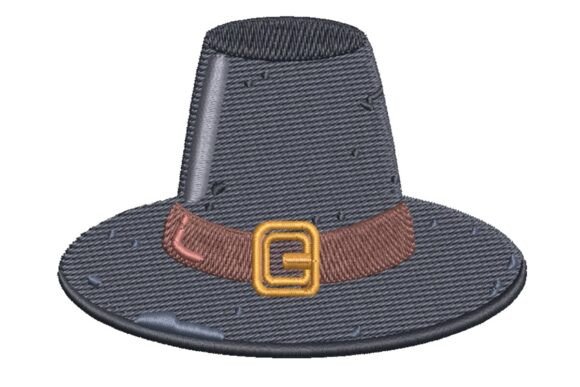
As an embroidery designer who’s developed seasonal collections for boutique brands and Etsy sellers for over a decade, I approached the Classic Thanksgiving Pilgrim Hat Embroidery Design with a very specific question: does it translate beyond novelty into wearable, brand-aligned apparel? The answer is yes—but with intention. First impression? It’s quietly confident: not overly detailed or cartoonish, but rendered with thoughtful line weight and balanced negative space. The dark grey or charcoal rendering gives it immediate gravitas—rustic yet refined, classic without leaning into kitsch. It reads as premium on first glance, especially when stitched cleanly. There’s no excessive fill stitching or dense satin borders; instead, it relies on smart outline work and subtle dimension in the brim and crown. That restraint makes it scale beautifully across garment types.
How It Performs Across Real Apparel Projects
For sweatshirt embroidery, this design shines on chest placement—especially on neutral heather greys, oatmeals, and soft blacks. Its compact proportions (confirm hoop size before stitching) fit comfortably within standard 4×4 or 5×7 hoops, avoiding awkward stretching near shoulder seams. On oversized hoodies, I tested it slightly higher on the chest—not centered low—and found it anchored the silhouette without competing with drawcords or pockets. As a hoodie design, it also works well on sleeves: small, crisp, and unexpected. For back designs, pair it with simple typography like “Gather” or “Give Thanks” in a complementary font—just one element keeps focus where it belongs.
T-shirt embroidery benefits from its clean profile: minimal thread build-up means it lies flat on lightweight cottons and blends. On pastel hoodies—think sage, blush, or sky blue—the dark grey thread creates elegant contrast without shouting. And yes, it holds up on denim jackets: the hat’s strong silhouette reads clearly against textured fabric, especially when stabilized properly. For tote bag design, it adds heritage charm to canvas or heavy cotton—ideal for farmers’ market vendors or lifestyle brands building seasonal collections.
Where Precision Matters Most
This isn’t a “drop-and-stitch” design for every surface. On stretchy fabric like ribbed knits or lightweight French terry, stabilizer choice is non-negotiable—medium-weight cutaway prevents puckering around the brim’s curves. Fleece and sherpa require extra care: test stitch density on scrap first. Dense areas (like the folded band at the base of the crown) can trap lint or distort if hooped too tightly. On curved surfaces—like the rounded front of a baseball cap or tapered tote handle seam—repositioning the design slightly flatter improves registration. Avoid placing it directly over thick seams or hems unless you’re willing to re-hoop mid-stitch.
Also note: while the design avoids tiny lettering or micro-details, always verify thread color contrast on dark garments. Charcoal-on-black may read as tonal rather than graphic—swap to navy or deep burgundy thread for clarity. And if your boutique brand leans minimalist or modern, consider how this inherently traditional motif supports your broader visual consistency. It won’t clash with earthy palettes or muted tones—but it may feel out of step beside neon accents or ultra-sleek sans-serifs.
Why It Elevates Your Finished Product
When executed well, the Classic Thanksgiving Pilgrim Hat Embroidery Design subtly signals craftsmanship. Buyers recognize clean stitch work—and that perception lifts perceived value. For small shop product listings on Etsy or Instagram, it performs strongly in lifestyle photos: styled on a cozy oversized sweatshirt with coffee and dried wheat, it tells a cohesive story without needing explanation. It strengthens brand identity for makers who celebrate slow seasons and intentional living—not just holidays, but moments of gratitude and gathering.
From a commercial standpoint, it builds customer engagement through familiarity with a twist: recognizable enough to spark warmth, distinctive enough to feel curated. That balance helps handmade products stand out in crowded feeds. And because it’s rooted in tradition—not trend—it remains relevant season after season, reducing the need for constant redesign. For digital sellers offering printable mockups, this design integrates seamlessly into seasonal bundles alongside harvest motifs and linen-textured backgrounds.
Practical Designer Notes Before You Stitch
- Test on scrap fabric—especially if using fleece, ribbed knit, or dark apparel.
- Choose stabilizer based on fabric texture: cutaway for knits, tear-away for stable wovens.
- Review thread color contrast: charcoal works on light-to-mid tones, but consider richer alternatives for deep fabrics.
- Confirm hoop size and file compatibility—this is a machine embroidery design, not a vector or PNG.
- Inspect stitch density in the crown fold and brim edge; adjust tension if needed for smooth satin lines.
- Compare placement options on a garment mockup before hooping—chest, sleeve, or back changes impact wearability.
- Check Creative Fabrica product details carefully: licensing terms determine whether you may sell finished apparel commercially.
Final Thought for Creative Entrepreneurs
The Classic Thanksgiving Pilgrim Hat Embroidery Design isn’t about filling a holiday quota—it’s about choosing a symbol that carries weight, warmth, and quiet confidence. When paired with thoughtful fabric selection, precise stabilization, and intentional placement, it becomes more than decoration. It becomes part of your custom apparel story. For embroidery shops, handmade product creators, and digital embroidery file users alike, it’s a versatile, respectful nod to tradition—one that supports your craft, not overshadows it. Use it deliberately, stitch it cleanly, and let the simplicity speak.